

Why You Should Take Your Jewelry Off Before Swimming or Cleaning
A quick swim with your ring on may not seem like a big deal, and one afternoon in the pool is not usually what ruins a piece of jewelry. The problem is repeated exposure over time.
Chlorine, bleach, hot tubs, and household cleaning chemicals can weaken fine jewelry, especially rings that are worn every day. We have seen real insurance replacements caused by long term chemical damage, and most people are surprised because their jewelry looked fine until something broke, cracked, bent, or a diamond was suddenly loose.

A ring is not always one solid piece of metal. Many rings are made from several components that are assembled together. The shank, or band, wraps around your finger. The crown or head holds the diamond or gemstone. Prongs secure the gem in place. Side settings, bridges, galleries, accent diamonds, and decorative details may all be separate parts depending on how the ring was made.
Often, these pieces are connected with solder.
Solder is a metal alloy used to join jewelry components together. It is essential in jewelry making, but it can also be one of the areas most vulnerable to long term chemical exposure. Chlorine and bleach can attack the alloy metals within gold and solder joints, causing microscopic weakening, porosity, and brittleness over time, meaning the metal can become less strong where strength matters most.
Gold jewelry is not pure gold. Most fine jewelry is made in 14K or 18K gold, which means the gold is mixed with other metals to make it durable enough to wear. Those alloy metals may include copper, silver, zinc, nickel, palladium, or other metals depending on the color and formula of the gold. Chlorine and bleach can react with some of these alloy metals and slowly compromise the structure of the piece.
That is why the damage is not always obvious right away. Your ring may still look shiny. It may still look clean. It may not be discolored or visibly damaged. Meanwhile, prongs, solder seams, and delicate areas can be becoming more brittle underneath the surface.
Prongs are especially important because they do the very small, very important job of holding your diamond or gemstone in place. If a prong becomes weakened, cracked, or brittle, it may no longer have the strength it needs. Sometimes the first sign of a problem is a loose diamond. Sometimes the first sign is a missing diamond.
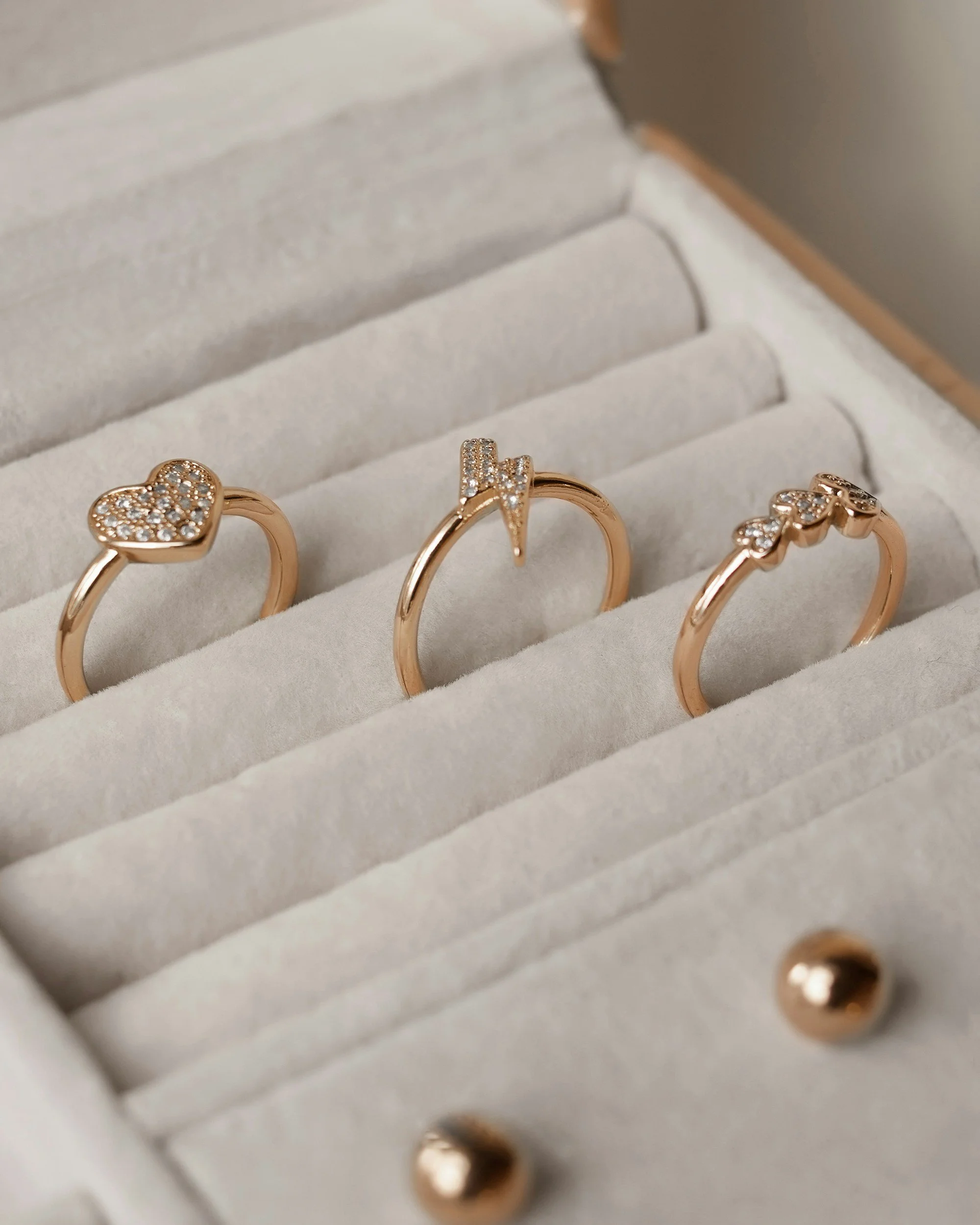
White gold, yellow gold, and rose gold can all be affected. Rose gold has a higher copper content, which can make it especially sensitive to chemical exposure. White gold can also be vulnerable because of its alloy makeup and because many white gold rings have rhodium plating that may wear faster with harsh chemical use.
Platinum is more resistant than gold in many ways, but that does not mean platinum jewelry should be worn in chlorine or bleach either. Platinum rings can still have soldered components, especially if the ring has mixed metals, added heads, repaired sections, or detailed construction. Even when the main ring is platinum, every part of the piece should be protected from unnecessary chemical exposure.
Hot tubs can be even harder on jewelry because they combine heat, chemicals, and prolonged soaking. Heat can speed up chemical reactions, and soaking gives chemicals more time to work into small seams, joints, and hidden areas of a ring.
Household cleaning chemicals are another common problem. Bleach, chlorine based cleaners, disinfectants, and strong chemical sprays are not jewelry friendly. If you are cleaning bathrooms, scrubbing floors, washing with bleach, using pool chemicals, or handling strong household products, your rings should come off first.
The safest habit is simple: jewelry off before swimming, soaking, cleaning, gardening, working out, or doing anything rough on your hands.
This is not about being overly precious. It is about protecting the small structural details that keep your jewelry wearable. A ring is built to be worn, but it is not built to live in chlorine, bleach, and cleaning chemicals day after day.
A good rule of thumb is this: if you would not want it sitting on your skin for a long period of time, your jewelry probably should not be exposed to it either.