

Why a Diamond Grading Report Does Not Tell the Whole Story
Most people shopping for a diamond start in the same place. They open a browser, set a budget, choose a shape, adjust the size, then start comparing grading reports like they are shopping for a refrigerator. Color, clarity, carat weight, cut grade, price. Sort low to high. Maybe filter for “ideal.” Maybe compare two reports side by side and assume the better looking numbers mean the better diamond.
It makes sense, A grading report feels objective. It gives you something to hold onto in a category that can feel overwhelming, expensive, and even, intimidating.
Grading reports, often called “certificates” do absolutely matter and should not be ignored. A good report gives jewelers a shared language. It tells us the measurable details of a diamond. It helps confirm identity, quality factors, and basic value. Grading reports are used as sorting guidelines to help us narrow down the search.
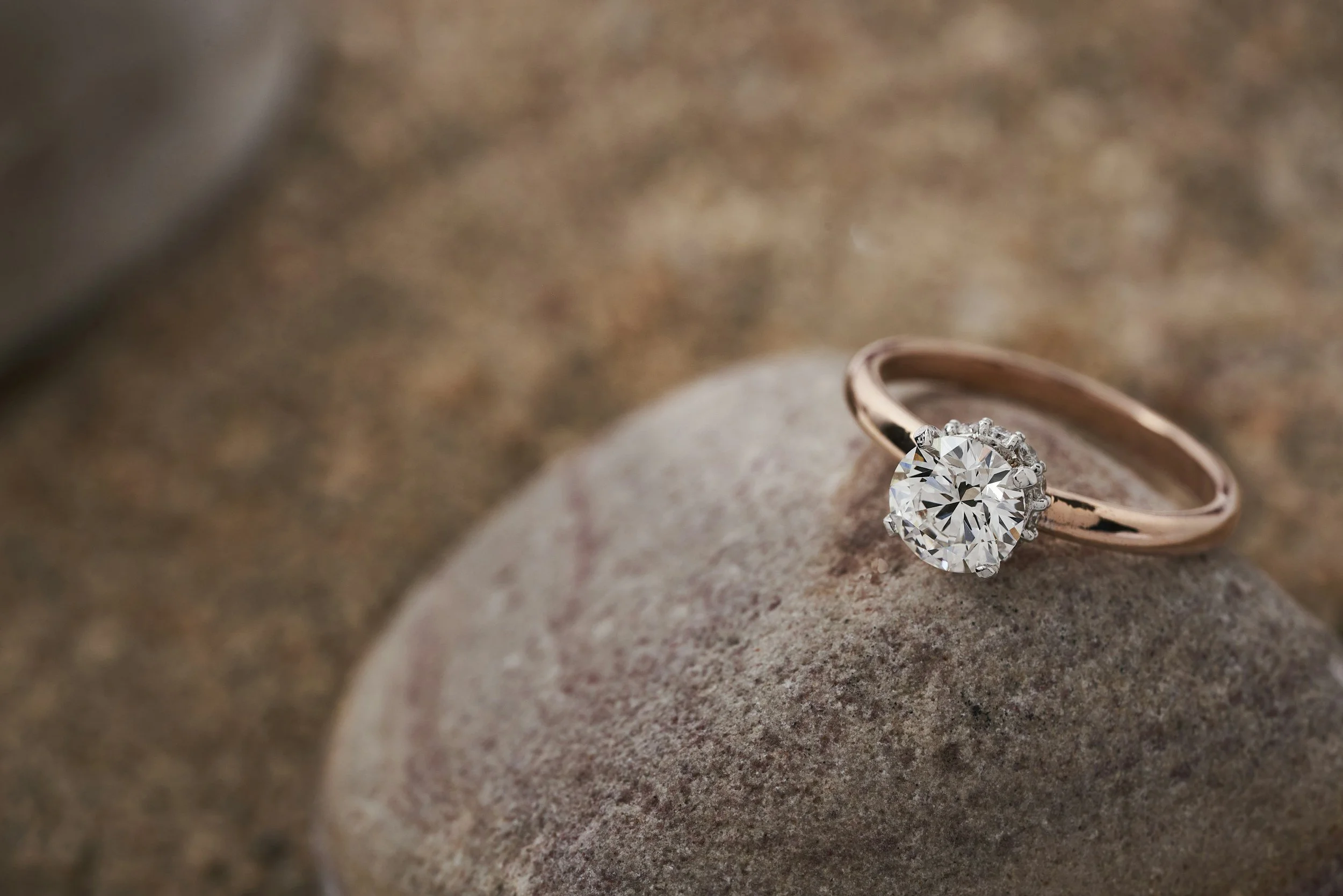
A grading report can tell you what a diamond is.
It cannot fully tell you how beautiful it is.
That is where it’s easy to get into trouble.
Two diamonds can have the same shape, the same carat weight, the same color, the same clarity, and even very similar cut information, and still look noticeably different in person. One may look bright and lively, the other may look a little flat. One may face up beautifully for its weight, the other may carry weight in a way you do not really benefit from visually. One may have a crisp, balanced look, the other may technically check boxes while still missing that spark that makes you stop and stare.
That is not because the report is wrong. It is because a report is a guideline, not a beauty contest.
“Selecting a diamond on grading report and images alone is like selecting your spouse based on their driver’s liscense.”
Diamonds are physical objects, and their beauty comes from the way they interact with light. Light enters a diamond, moves through it, reflects, leaks, scatters, and eventually returns to your eye. That performance is affected by proportion, symmetry, facet pattern, shape, and transparency, along with the type and location of any inclusions. Even the way a diamond is cut, whether the cutter prioritized finished weight or overall beauty, can change how lively and balanced it appears in person.
Some of that information appears on a report, but not all of it. A report gives helpful facts and a shared language, but it does not fully capture the personality or visual performance of a diamond. Some things only become obvious when someone who knows diamonds is actually looking at the diamond itself.
This is true for both earth mined and lab grown diamonds. A lab grown diamond is not automatically beautiful because it is larger for the money, just as an earth mined diamond is not automatically beautiful because it is rare. In both categories, there are diamonds I would be excited to show a client, and diamonds I would pass over.
That is the part most online shopping does not show you.
Online diamond listings are built around filters, and filters are very good at giving you options. Sometimes they give you too many options. The problem is that a filter cannot always tell you which diamond has the best life in person, which one has the most pleasing balance of size, brightness, contrast, and overall presence, or whether a diamond looks better than its paper grade, or worse.
That is why professional guidance matters.
A good diamond buyer is not just reading the report. They are using the report as a starting point, then asking: Does this diamond look bright from edge to edge? Does the size show well for the weight? Do the proportions work together? Do we agree with the grading? Are the inclusions actually noticeable, or are they only scary on paper? Is the color appropriate for the setting and the client’s priorities? Is the price justified by what the diamond actually delivers? Would I want my own name attached to this diamond?
Those questions matter more than simply finding the “best deal” in a spreadsheet. The cheapest diamond that meets your filters is not always the smartest buy, the highest graded diamond is not always the prettiest, and the biggest diamond in budget is not always the one that will make the best ring.
A diamond should be chosen with your eyes, your priorities, and your heart, not just a report.
That does not mean you need to become a diamond expert before you buy one. Frankly, you should not have to. Most people buy an important diamond only a few times in their life, while we look at diamonds every day.
There is so much conflicting information out there, from expert videos and technical documents to online opinions, grading charts, and endless comparison tools. It can make the process feel more confusing, not less. Educate yourself, absolutely, but also know that trained professionals exist for a reason. A trusted jeweler’s job is to narrow the field, explain what matters, and help you avoid paying for things you do not need or missing details you may wish you had noticed sooner.
Sometimes that means choosing a lab grown diamond because the size, look, and budget make sense. Sometimes it means choosing an earth mined diamond because rarity, origin, and long term meaning matter more to you. Sometimes it means spending less in one category and more in another, depending on what will actually make the finished ring feel right.
And sometimes it means saying no to a diamond that looks great on paper because in person, it simply does not do enough.
That is the value of having a professional in your corner. Seasoned diamond buyers have a trained eye and the ability to see beyond the report. Use us as your guide so you can feel confident that the diamond you choose meets your expectations in real life, not just on paper.
A diamond report is helpful because it gives us the facts, but beauty is something you have to know how to see.
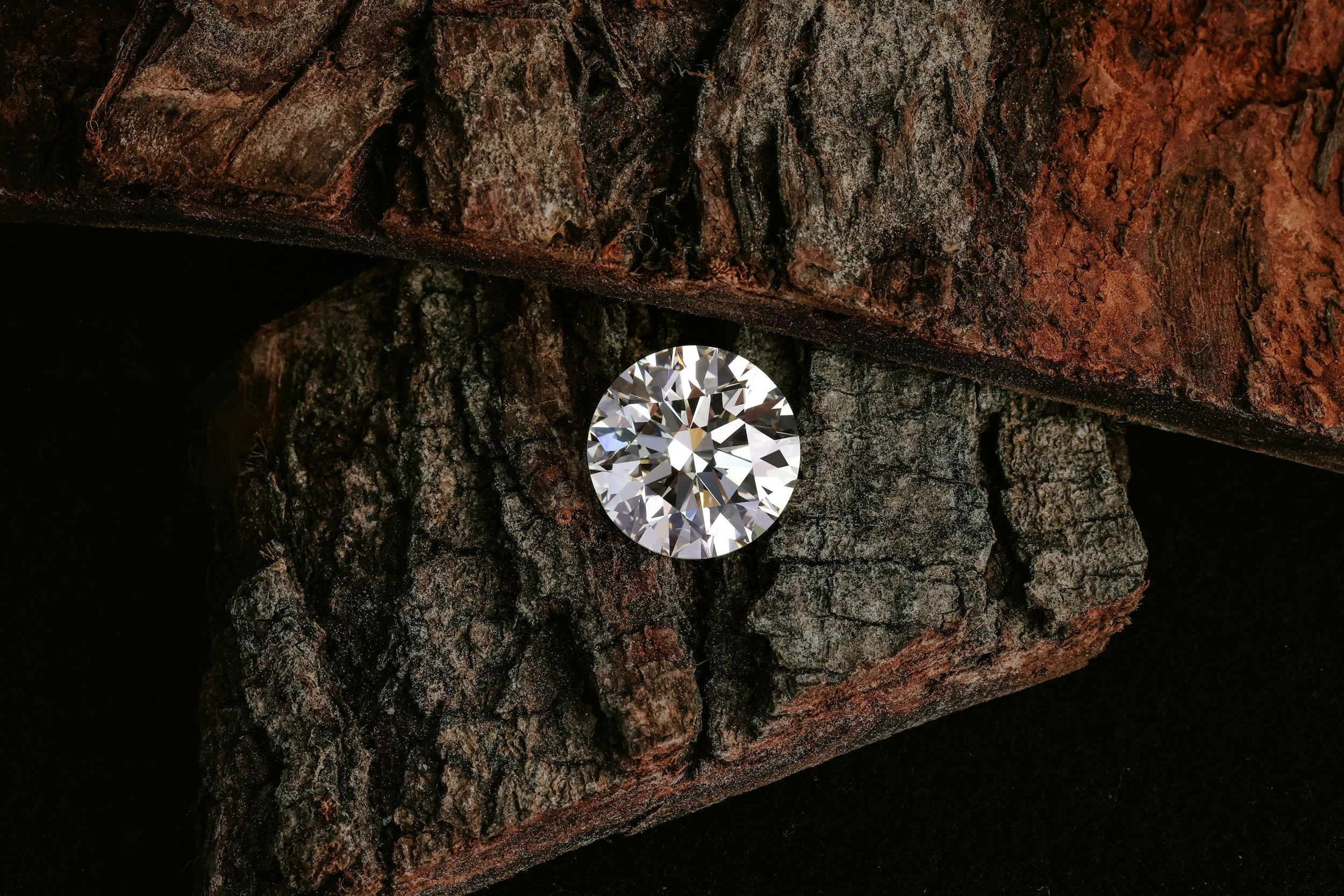
Yes, working with a professional may mean you are not buying the cheapest diamond on the internet. But cheapest and best are not the same thing.
A good diamond buyer helps you understand where your money matters, where it does not, and whether the diamond actually delivers what the report suggests. The goal is not just to buy a diamond. The goal is to buy the right diamond with confidence.
Let us know what your diamond goals are, and we will guide you through the process.