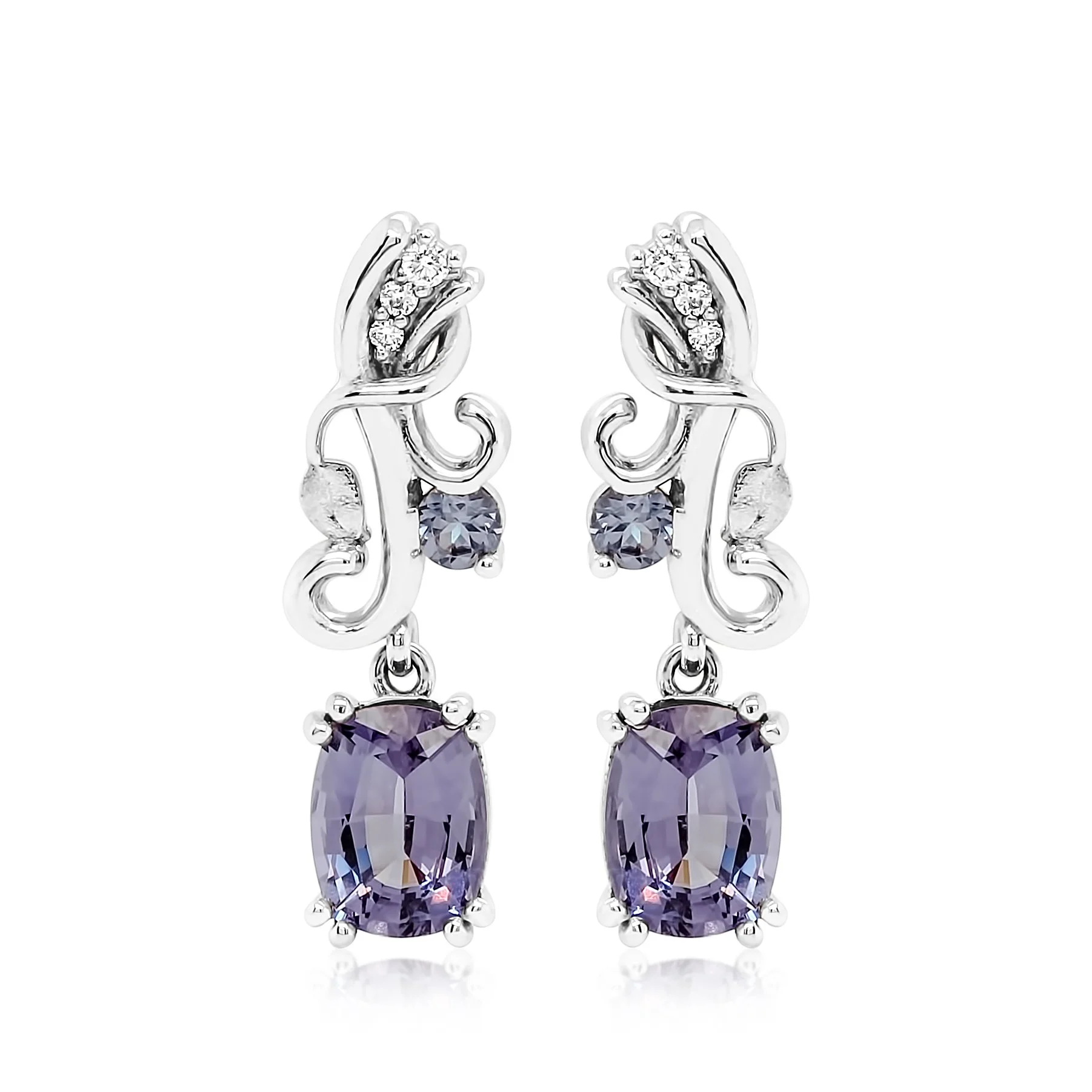

Spinel: The Hidden Gem You Should Know
You know that wallflower at the party, the one who's quietly beautiful but tends to get overshadowed? That’s Spinel (pronounced spih-NELL) in the gemstone world. This gorgeous stone has been hanging out in the background while more well-known gems like Ruby and Sapphire grab all the attention. But now, Spinel is ready to step out of the shadows and steal the show on the dance floor.
So, what’s the deal with Spinel? Why hasn’t it been the center of attention? Well, for starters, Spinel has been the ultimate shape-shifter for centuries, often mistaken for other, more famous gemstones. You know those rubies in the British Crown Jewels? Surprise! They’re actually Spinels! Spinel is starting to receive the recognition it deserves, especially since it’s now an official peridot alternative for the August birthstone.

Is Spinel Real?
For a long time, Spinel carried a reputation as the “fake” gemstone of the jewelry world, largely because of how heavily synthetic Spinel was used in things like class rings.
If you grew up seeing those bright red, blue, or green stones in school rings, chances are you were looking at lab-grown Spinel. It was the go-to material because it could be produced cheaply, cut easily, and made in just about any color. It gave people the look of a gemstone without the cost, which made it perfect for mass-produced jewelry.
There are some who associate the word “Spinel” with something imitation or low value, even though what they were really thinking of was synthetic Spinel, not the natural gemstone.
The irony is that natural Spinel was sitting on the opposite end of the spectrum the whole time. While synthetic material was being pumped out for class rings, fine natural Spinel remained relatively rare and under-recognized. It didn’t get the same marketing push as Ruby or Sapphire, so it quietly stayed in the background despite being just as legitimate and, in many cases, harder to find in top quality.
That disconnect is still something you run into today. Someone hears “Spinel” and immediately thinks of those old class rings, when in reality natural Spinel belongs in a completely different category.
Is Spinel Durable?
Spinel is not just a pretty face; it's also remarkably durable, making it an excellent choice for everyday wear. With a hardness of 8 on the Mohs scale, Spinel is resilient enough to withstand daily activities without easily scratching or chipping. This durability, combined with its vibrant colors, makes Spinel a versatile gemstone suitable for a variety of jewelry, from rings and earrings to pendants and bracelets.
Not all Spinels, or gemstones in general, are created or cut equally. The true beauty of Spinel is deeply influenced by the skill of the person who facets it. Unfortunately, many Spinels on the market don’t achieve their full potential due to subpar cutting.
At Croft & Stern, we are meticulous in our selection process, ensuring that the cut or "make" of the gem is of the highest quality. We believe that a well-faceted Spinel truly reveals the stone’s brilliance and color, making each piece a work of art.


Croft & Stern Featured Designs (left to right): Gray Spinel and Peach Zircon Earrings, Gray Spinel and Rhodolite Garnet Pendant, Gray-Violet Spinel and Diamond earrings
One of the most remarkable aspects of Spinel is its rich history. This gemstone has been mined for centuries in regions such as Sri Lanka, Myanmar, and Tanzania. Revered by ancient cultures long before gaining modern recognition, Spinel has quietly adorned some of the most famous and cherished pieces of jewelry. One of the most notable examples is the Black Prince's Ruby, which, despite its name, is actually a magnificent red Spinel. This gemstone is set in the Imperial State Crown of England and has been worn by British royalty for centuries. Another famous Spinel is the Timur Ruby, a 361-carat gem engraved with the names of Mughal emperors, further emphasizing its historical significance and royal connections.

“The World's Most Famous Spinel: "The Black Prince's Ruby" is actually a red spinel. It was mounted as the primary focal stone of the Imperial State Crown - part of the Crown Jewels of the United Kingdom. This illustration was created by Cyril Davenport in 1919.”
[A spectacular gem mineral confused with ruby and sapphire for over 1000 years.
Author: Hobart M. King, PhD, GIA Graduate Gemologist]

The Timur Ruby gets its name from Timur, the ruthless 14th century Turco-Mongol conqueror, who founded the Timurid Empire. Hailing from what is now Uzbekistan, Timur’s military conquests were vast, spanning from Mongolia in the east and the Mediterranean in the west, to India in the south and Russia in the north.
After successfully capturing Delhi in 1398, Timur left India six months later weighed down with a bounty of jewelry and gemstones. One of those stones was the Timur Ruby.
The unfaceted stone has a semi-polished flat face that is inscribed in Arabic script with the names of four Mughal emperors and two Persian rulers who possessed the stone. The inscriptions are dated between 1612 and 1771.
By Howard Cohen]
Let’s talk color. Spinel comes in a rainbow of shades, from fiery reds and deep blues to pretty pinks and rich purples. It even comes in black. And here’s the kicker, Spinel’s brilliance is right up there with Sapphire, making it a seriously stunning choice for jewelry that pops.
Spinel's color variations come from trace elements that get incorporated into its crystal structure during formation. Here's a breakdown of what causes the different colors:
Red Spinel: The presence of chromium (Cr) gives spinel its vibrant red color. Red spinel is often compared to rubies because of its deep, rich hue.
Blue Spinel: Trace amounts of iron (Fe) contribute to blue shades. Blue spinel can range from a light grayish-blue to a deep, intense cobalt blue, depending on the amount and oxidation state of iron present.
Pink Spinel: A lower concentration of chromium results in pink spinel. The intensity of the pink depends on how much chromium is present.
Purple Spinel: This color results from a combination of chromium and iron. The interaction between these elements creates a range of purples, from light lavender to deep violet.
Orange and Yellow Spinel: The presence of iron in different oxidation states, along with sometimes magnesium, can produce orange and yellow hues. These colors are less common.
Black Spinel: High levels of iron, particularly in its reduced form, can give spinel a black appearance, often with a slight metallic luster.
These colors can be influenced by the geological environment in which the spinel forms, including temperature, pressure, and the availability of trace elements.
Now, if you’re born in August (or just really love August vibes), you’ve probably been rocking Peridot as your birthstone for years. But let’s be honest, lime green is divisive. Enter Spinel, a gemstone that offers variety, brilliance, and a story to tell. Whether you choose a moody, dark Spinel or a trendy pastel shade, you’re bound to fall in love with this versatile gem.

Where are Spinels From?
Spinel is found in a handful of specific regions around the world, and unlike mass-produced materials, it comes out of the ground in relatively small, often family-run mining operations. Some of the most well-known sources include Myanmar, Tanzania, Vietnam, and Sri Lanka, with each region producing its own distinct range of colors and qualities.
In places like the Mogok region of Myanmar or the Mahenge area of Tanzania, Spinel mining is done by small groups, local families, or independent miners working relatively shallow deposits. The same goes for Sri Lanka, where much of the gem mining is alluvial, meaning it is done by hand in riverbeds and gravel layers, rather than through large-scale excavation, directly supporting local communities.
Mining, sorting, cutting, and trading gemstones creates jobs at every level, often in areas where there are not many other economic opportunities. When you buy a natural Spinel, you are not just buying a gem, you are participating in a supply chain that runs through small villages, independent miners, local dealers, and regional cutting houses.
In Tanzania, for example, the discovery of vivid pink and red Spinel in Mahenge brought significant economic activity to the region. It created income for miners, attracted international buyers, and supported surrounding businesses from transportation to food services. Similar patterns exist in Vietnam’s Luc Yen district and Sri Lanka’s long-established gem trade, where entire communities are built around gemstone production.
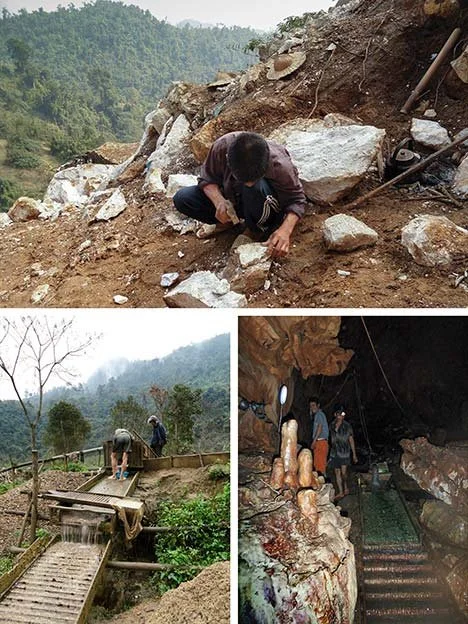
The three primary deposits at May Trung (22°1′48.9″ N, 104°48′42.7″ E), Bai Son (2159′47.3″ N, 104°40′9.9″ E), and Bah Linh Mot (22°1′23.7″ N, 104°48′42.8″E) are located on a mountain range composed of marble, standing about 600 meters high. Each site is mined by a handful of locals, mainly farmers trying to earn extra income. The blue spinel is extracted from the marble using hand tools (figure 4, top) and a jackhammer.
Blue Spinel from the Luc Yen District of Vietnam GIA Gems & Gemology, Spring 2015, Vol. 51, No. 1
Safe and responsible mining is always part of the conversation. In many of these regions, Spinel is mined on a smaller scale, which can limit the environmental impact compared to large open-pit operations. Alluvial mining in Sri Lanka is often cited as one of the more sustainable methods, as it uses hand tools, minimizes heavy machinery, and allows land to be restored relatively easily after mining.
That said, not all mining is equal. Conditions can vary widely depending on the region and the operation. There are ongoing efforts within the gemstone industry to improve transparency, support fair wages, and encourage better environmental practices. Working with trusted suppliers who know their sources is one of the most important ways to ensure that the material is being handled responsibly.
Spinel sits in an interesting place. It is not mass-produced, it is not heavily industrialized, and it often passes through the hands of many small players before it reaches a finished piece. That path is part of what gives it value, not just in rarity, but in the real-world impact it has along the way.
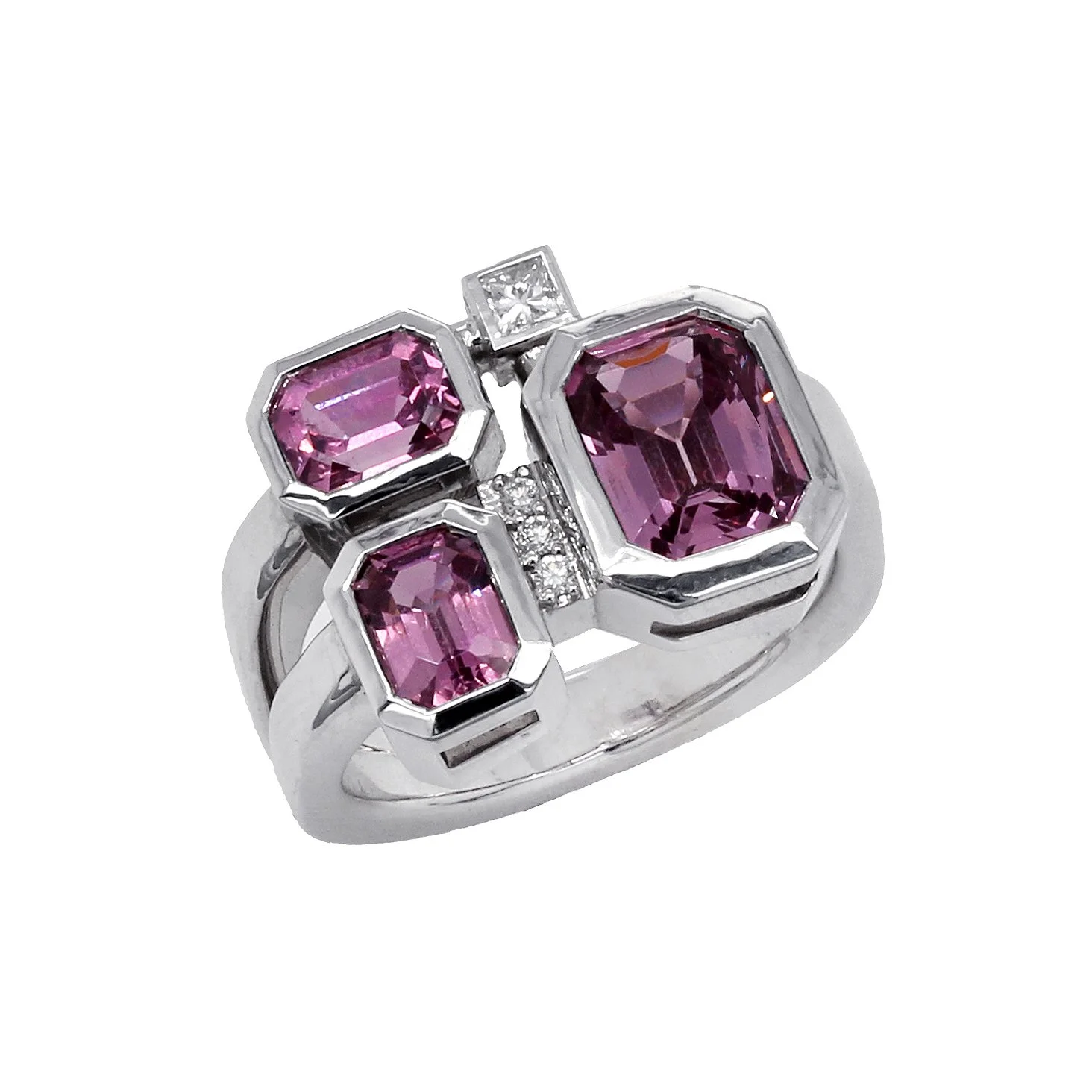

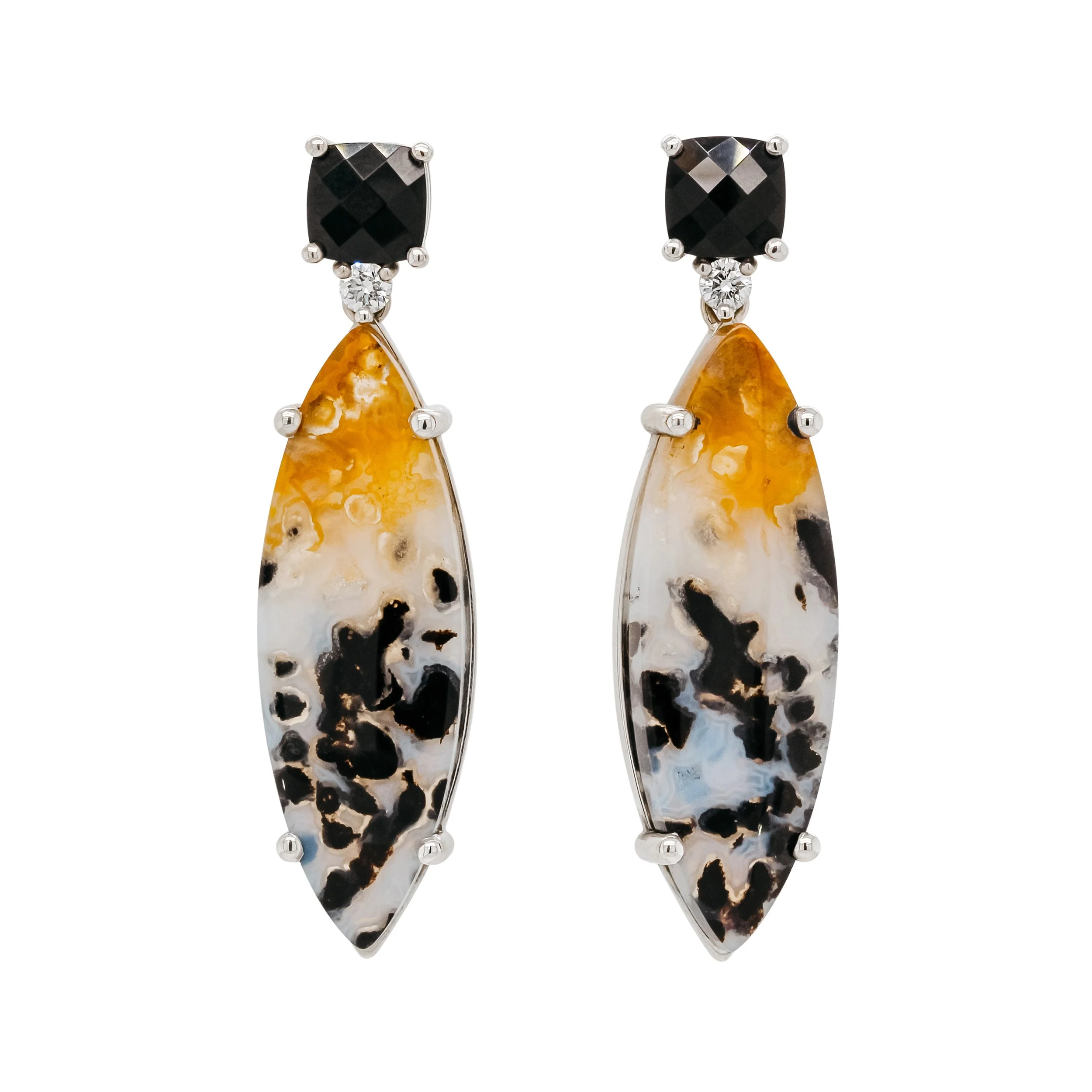
Spinel holds a special place among Croft & Stern owner, Kelly's, favorite gems. The gemstone’s deep, saturated colors, from rich reds to vivid blues, make it a standout in any piece of jewelry. Its ability to be cut into unique and striking shapes ad to its charm, offering endless possibilities for creative design. What truly sets Spinel apart, though, is its underrated status. Despite its stunning beauty and rich history, it remains relatively unknown to many, making it a perfect conversation starter.
Spinel’s blend of durability, beauty, and rich history makes it not only a practical choice for jewelry but also a gemstone with a captivating story to tell. Whether you’re drawn to its striking appearance or its intriguing past, Spinel is a gem that promises to stand the test of time, both in terms of wearability and timeless appeal.